
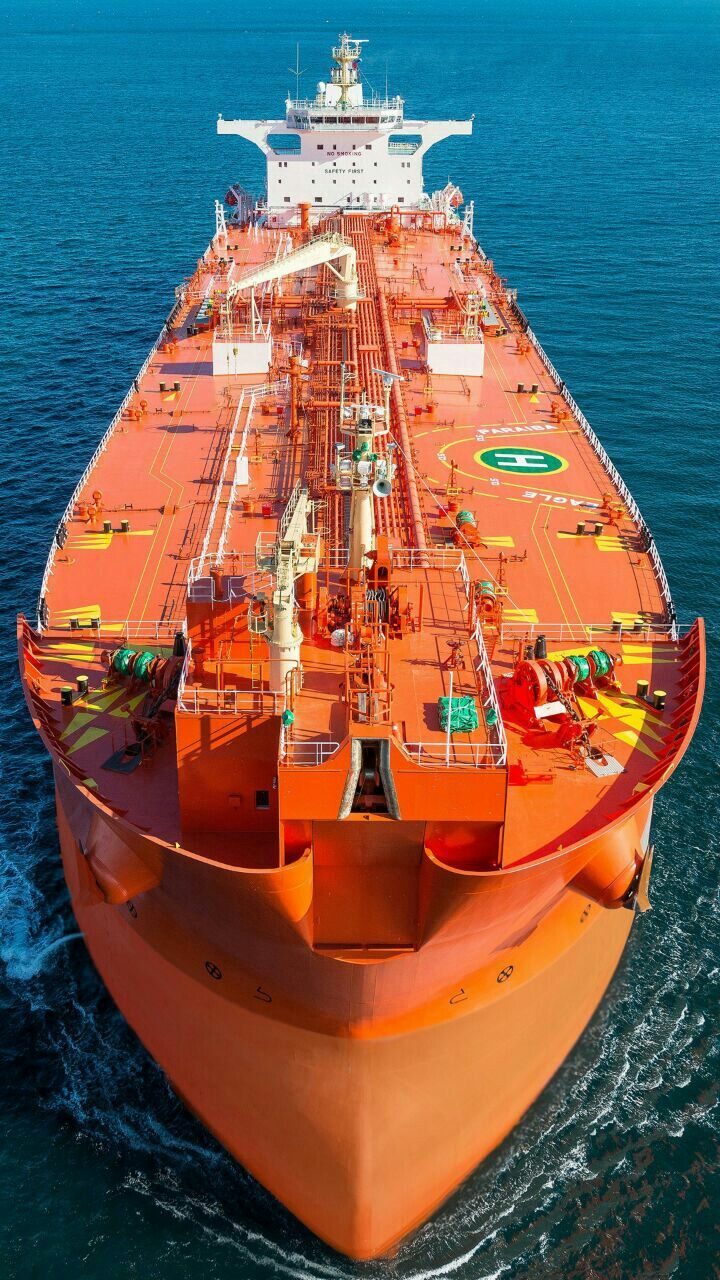
The vessel types
Offshore support vessels are managed to an assurance standard set not by regulators but by charterers — energy majors and offshore wind developers whose own safety cultures flow down through contracts. The result is a segment where audit readiness is a permanent state rather than a periodic event.
| Type | Role | Distinctive management demand |
|---|---|---|
| PSV (platform supply) | Cargo, fuel, mud, water to installations | Cargo tank cleanliness, DP station keeping |
| AHTS (anchor handling tug supply) | Anchor handling, towing | High-risk deck operations, winch integrity |
| CSV / construction | Subsea installation, ROV, cranes | Project interface, crane and ROV systems |
| SOV / CTV (wind) | Technician transfer and accommodation | Motion-compensated gangways, transfer safety |
| Standby / ERRV | Emergency response | Rescue readiness, drills |
Dynamic positioning: the technical core
Most offshore vessels hold a DP class notation, and DP integrity is the single most scrutinised technical system in the segment.
| Element | Requirement |
|---|---|
| DP class notation | 1, 2 or 3 depending on operation criticality |
| Annual DP trials | Conducted, documented, findings closed |
| FMEA | Failure modes and effects analysis, kept current |
| DP operator certification | Certified DPOs with logged hours |
| Capability plots | Current, reflecting actual thruster availability |
| Incident reporting | DP incidents reported and analysed |
A DP incident during a critical operation — a drive-off or drift-off next to an installation — is the scenario the whole assurance system exists to prevent. Charterers will examine your DP trials reports, your FMEA currency and your DPO hours before they examine anything else.
Charterer assurance: what actually gets audited
Offshore charterers run their own vessel audits, frequently using industry-standard formats derived from IMCA and similar bodies. Typical scope:
- Safety management system and its actual use on board
- DP documentation and trials
- Crew competency matrix with evidence of assessment
- Permit to work and isolation systems in practice
- Lifting operations and equipment certification
- Deck operations procedures, particularly anchor handling
- Emergency response, including man overboard and rescue
- Environmental management and waste
- Incident history and demonstrable learning
- Subcontractor and third-party management
Ten or more separate third-party engagements per vessel per year is normal. That workload has to be resourced, and it is one reason offshore management fees sit above cargo-segment levels.
Crew competency
Offshore crews carry standard STCW plus a layer of role-specific certification: DP operator certificates, offshore survival training, helicopter underwater escape where applicable, crane and lifting competencies, and specific training for high-risk deck operations.
Two management issues follow:
Competency assurance, not just certification. Charterers want evidence that competence has been assessed, not merely that a certificate exists. That means structured onboard assessment with records.
Rotation patterns. Offshore typically works shorter rotations than deep-sea cargo trades, which changes the crewing mathematics: more people per position, higher travel cost, and a different retention dynamic. Against a global officer shortfall of 39,100, offshore competes with deep-sea by offering shorter time away rather than higher pay alone.
Commercial structure
Offshore vessels are usually on term or spot charter to a project, and rates are cyclical with energy capital expenditure. Management implications:
- Warm and cold lay-up capability is a required competency, not an afterthought. Preservation quality during lay-up determines reactivation cost.
- Reactivation projects are effectively small dry-dock projects and should be managed as such.
- Project mobilisation — fitting equipment for a specific charter — sits between technical management and project management, and should be priced separately.
Offshore wind: a growing sub-segment
Wind farm support has different demands from oil and gas: high-frequency technician transfers, motion-compensated gangways, walk-to-work operations, and charterers whose safety expectations come from a construction rather than an oilfield tradition. Vessel availability targets are high, and transfer safety is the dominant risk.
What to ask an offshore vessel manager
- DP incident record and how findings were closed
- Currency of FMEA and the date of last DP trials per vessel
- Charterer audit findings, three years, with repeat-finding analysis
- Competency assessment process — who assesses, against what, how recorded
- Lay-up and reactivation experience, with reactivation cost outcomes
- Lifting equipment certification management
- Rotation patterns offered and resulting retention rates
- Incident investigation methodology and evidence of systemic learning
workforce data from BIMCO/ICS 2026. IMCA and class DP requirements should be consulted directly for authoritative detail. The audit-load chart is an indicative model. Reviewed by the Zeaclub Editorial Team, 24 August 2026.
Frequently asked questions
What is an OSV?
An offshore support vessel — a ship supporting offshore energy operations, including platform supply vessels, anchor handlers, construction vessels and wind farm support vessels.
What is dynamic positioning?
A system that holds a vessel's position and heading automatically using thrusters and position references, allowing safe work close to installations without anchoring.
Why are offshore audits so frequent?
Because charterers in energy operate under their own stringent safety regimes and flow those obligations down to contractors. Assurance is contractual, continuous and specific to each client.
Is offshore management more expensive?
Yes. The audit and assurance load, DP maintenance, competency assurance and shorter rotations all cost more per vessel than an equivalent cargo ship.