
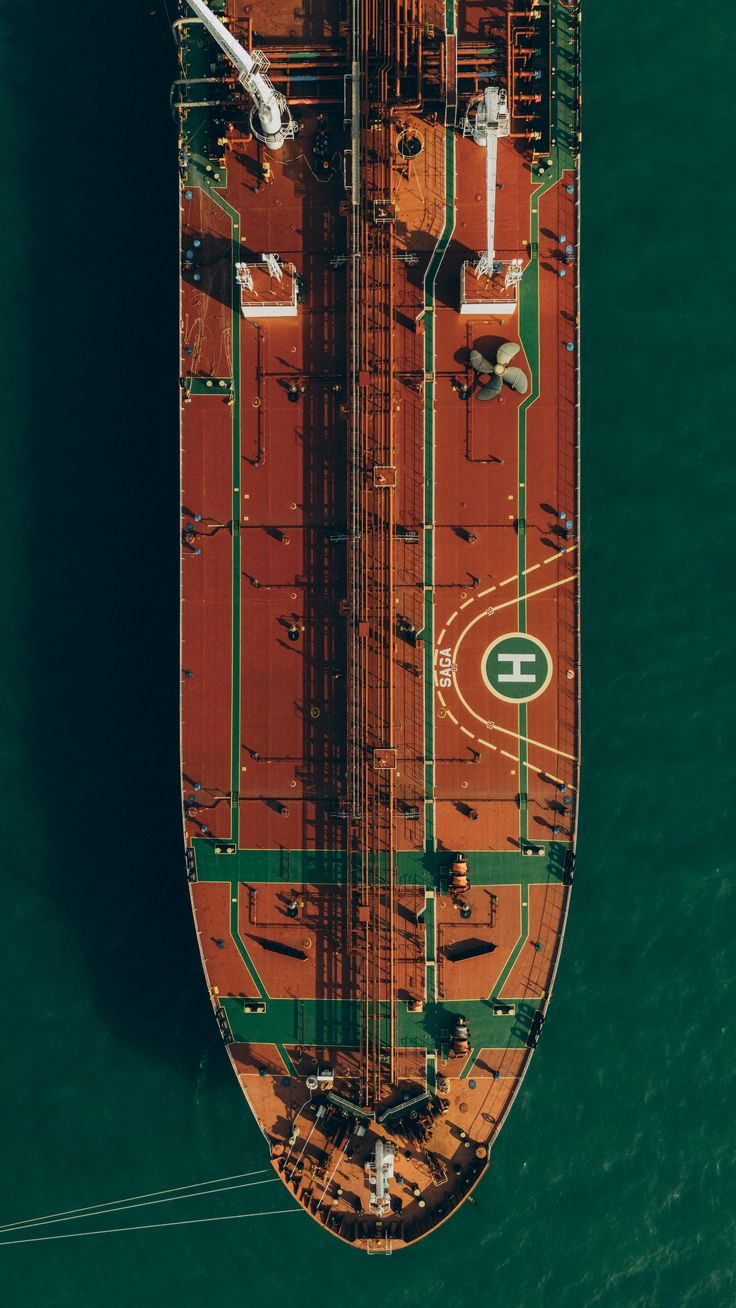
The disciplines
"Maritime engineering" is an umbrella covering several related but distinct professions. People use the term loosely, and the confusion has practical consequences — for students choosing a course, and for employers writing job descriptions.
| Discipline | Concerned with | Typical workplace |
|---|---|---|
| Naval architecture | Hull form, stability, strength, resistance, ship design | Design offices, yards, class societies |
| Marine engineering | Propulsion, power generation, auxiliary systems, operation | On board, and shore-side technical management |
| Offshore engineering | Fixed and floating offshore structures, moorings, subsea | Energy companies, contractors |
| Ocean engineering | Coastal structures, ports, subsea systems, oceanographic instrumentation | Consultancies, ports, research |
| Marine electrical and automation | Power distribution, control systems, integrated automation | On board and specialist suppliers |
The most common practical distinction: naval architects design ships; marine engineers make them run. Many careers begin at sea as a marine engineer and move ashore into superintendency, technical management, class or design support.
What a marine engineer does at sea
| System | Responsibility |
|---|---|
| Main propulsion | Operation, maintenance, performance |
| Auxiliary engines and power generation | Load management, reliability |
| Boilers and steam systems | Operation and safety |
| Fuel and lube oil systems | Treatment, purification, transfer |
| Cooling and ventilation | Heat balance across the plant |
| Cargo systems (segment dependent) | Pumps, compressors, reliquefaction |
| Pollution prevention equipment | Oily water separator, sewage, incinerator, scrubber, BWMS |
| Electrical distribution and automation | Increasingly a dominant workload |
| Steering, deck machinery, hydraulics | Availability |
The rank structure runs from junior engineer through third, second and chief engineer, with certification under STCW and endorsements for specific vessel types and propulsion arrangements.
The traditional picture of a marine engineer as a mechanical specialist is decades out of date. Electrical, automation, environmental and increasingly data and cyber competence now consume a large share of the role.
The transition ahead
Three engineering shifts define the coming decade:
Alternative fuels. More than 50% of newbuilding tonnage on order is designed for alternative fuels, while over 90% of the active fleet still burns conventional fuel (UNCTAD). Methanol, ammonia and LNG each bring specific engineering and safety requirements — fuel handling, toxicity, cryogenics, leak detection and emergency response.
Electrification and hybridisation. Battery systems, shore power connection, shaft generators and energy management. Under FuelEU Maritime, onshore power supply becomes mandatory for containerships and passenger ships above 5,000 GT at AFIR-covered EU ports from 1 January 2030, and other EU ports from 2035.
Digital systems. Condition monitoring, performance analytics and remote diagnostics — with the cyber obligations that follow under IACS UR E26 and E27 for ships contracted from 1 July 2024.
Study routes
| Route | Outcome |
|---|---|
| Maritime academy cadetship | Certificate of competency; a seagoing career |
| University degree in marine engineering | Engineering degree, often with a route to CoC |
| Naval architecture degree | Design and analysis career, usually shore-based |
| Apprenticeship / technician route | Practical engineering, progression through experience |
| Postgraduate specialisation | Offshore, subsea, hydrodynamics, energy systems |
Anyone intending to sail should confirm that the programme is approved by a maritime administration for certification purposes — an engineering degree alone does not produce a certificate of competency.
Why the field matters commercially
Engineering decisions determine operating cost for the life of a ship. Hull form, propeller design, engine selection, fuel flexibility and automation architecture are all fixed at build and largely unchangeable afterwards. An owner ordering tonnage in 2026 is committing to an engineering configuration that will meet regulatory regimes not yet adopted.
fleet fuel data from UNCTAD RMT 2025; workforce requirement from BIMCO/ICS 2026; shore power requirements from Regulation (EU) 2023/1805; cyber requirements per IACS UR E26/E27. Effort chart is an indicative model. Reviewed by the Zeaclub Editorial Team, 24 August 2026.
Frequently asked questions
What is the difference between marine engineering and naval architecture?
Naval architects design the ship — hull, stability, structure and performance. Marine engineers operate and maintain its machinery and systems.
Do marine engineers work at sea?
Many do, in the engine department, with progression to chief engineer. Many later move ashore into technical management, superintendency, class societies, design or equipment supply.
Is maritime engineering a good career?
It offers strong demand — the industry needs 113,735 additional officers by 2030, including engineers — clear progression, international mobility and a direct route into shore-based technical roles.
What qualifications are needed?
For seagoing roles, an STCW certificate of competency obtained through an approved programme and sea service. For shore-based design roles, a relevant engineering degree.