
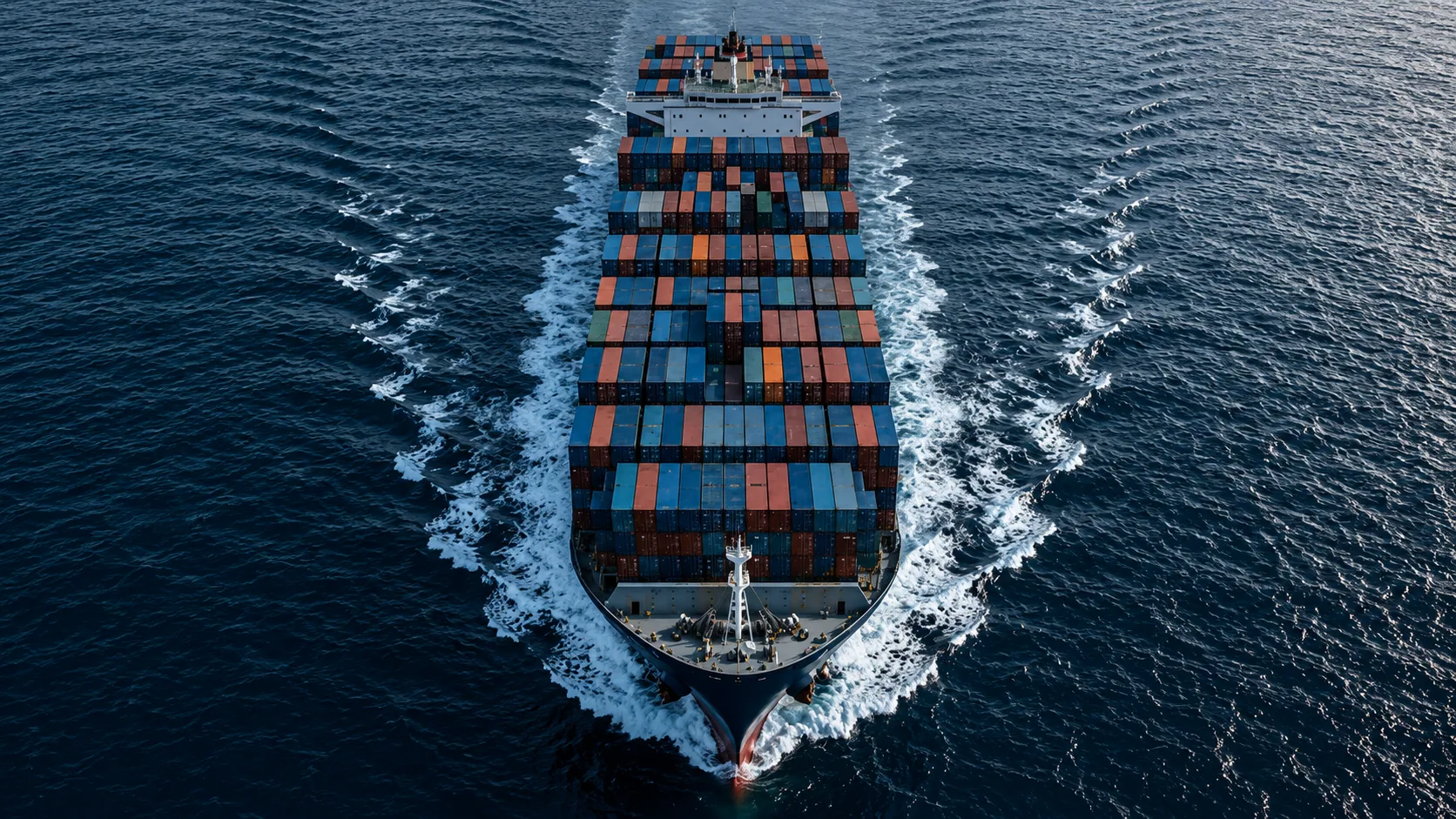
The dry bulk market in one view
Dry bulk shipping moves large quantities of unpackaged commodities. The market ranges from major iron-ore and coal routes served by large vessels to regional grain, steel, fertiliser and minor-bulk trades served by geared ships.
Chartering turns a physical requirement into a contract: cargo, quantity, ports, dates, vessel requirements, freight or hire, time allowances and risk allocation. Because port and cargo details vary, two apparently similar orders may require different tonnage.
Capesize, Panamax, Supramax and Handysize
Capesize vessels serve high-volume trades where port depth and shore infrastructure support large parcels. Panamax and Kamsarmax vessels cover major coal and grain routes. Supramax and Ultramax vessels offer flexibility and often carry their own cranes. Handysize vessels access smaller ports and diverse parcel sizes.
These are market categories, not guarantees of compatibility. Charterers must confirm draft, length, beam, air draft, hold dimensions, hatch configuration, gear, grabs, age limits, class and any terminal-specific restrictions.
- Capesize: major ore and coal parcels
- Panamax/Kamsarmax: grain, coal and other bulk trades
- Supramax/Ultramax: flexible geared employment
- Handysize: smaller parcels and broad port access
Cargo and port due diligence
Cargo properties influence stowage, stability, ventilation, contamination and safety planning. The contractual description must be accurate, and parties should use current mandatory information and professional advice for cargoes with special hazards.
Port limits can change the economic vessel choice. Draft, water density, berth productivity, tidal windows, congestion, load-line zones, restrictions on gear and local documentation should be checked before a firm offer is made.
Voyage charter, time charter or COA
A voyage charter purchases transport for a cargo movement. A time charter gives commercial use of a vessel for a period or trip. A COA supports repeated liftings over time. The chosen form alters cost exposure, scheduling flexibility and control.
Voyage freight, time-charter hire and long-term COA pricing should not be compared without normalising the underlying assumptions. Bunkers, port costs, commissions, waiting time, ballast position and voyage duration affect the economic result.
Laytime, demurrage and cargo operations
Dry bulk voyages can spend significant time loading and discharging. The charter party defines allowed laytime, notice requirements, exceptions, commencement rules and the demurrage or despatch mechanism.
Good claims begin during the port call, not after it. Notices, statements of facts, weather records, stoppage reasons, berth information and supporting correspondence should be captured in a consistent voyage record.
A disciplined fixture checklist
A strong fixture process separates assumptions from confirmed facts. Teams should state the cargo and quantity precisely, verify vessel and port compatibility, record offers and counters, identify remaining subjects and hand the final recap to operators with supporting documents.
The aim is not to eliminate commercial judgement. It is to ensure that judgement is based on current information and that the reasons behind a decision remain visible when the voyage reaches claims and settlement.
- Confirm cargo description and quantity tolerance
- Validate ports, berth limits and loading rates
- Check vessel particulars and trade restrictions
- Model voyage economics and commissions
- Record subjects, recap and operational handover
Frequently asked questions
What is dry bulk chartering?
It is the process of contracting bulk-carrier capacity for unpackaged cargo such as iron ore, coal, grain, bauxite, fertiliser or steel products.
Which bulk-carrier class is best?
The best fit depends on cargo quantity, route, port limits, vessel availability and total economics; a larger vessel is not automatically cheaper or feasible.
What is a geared bulk carrier?
A geared bulker carries cargo-handling cranes, which can add flexibility at ports with limited shore equipment.
How is dry bulk freight quoted?
Voyage freight may be quoted per tonne or as a lump sum, while time charters are generally quoted as hire per day, subject to contract.
What causes dry bulk demurrage?
Demurrage can arise when contractual laytime is exceeded, but the calculation depends on notices, exceptions and the agreed charter-party wording.
Primary sources
- IMO — Safety regulations for different types of shipsAccessed 3 October 2026
- BIMCO — GENCON 2022Accessed 3 October 2026